
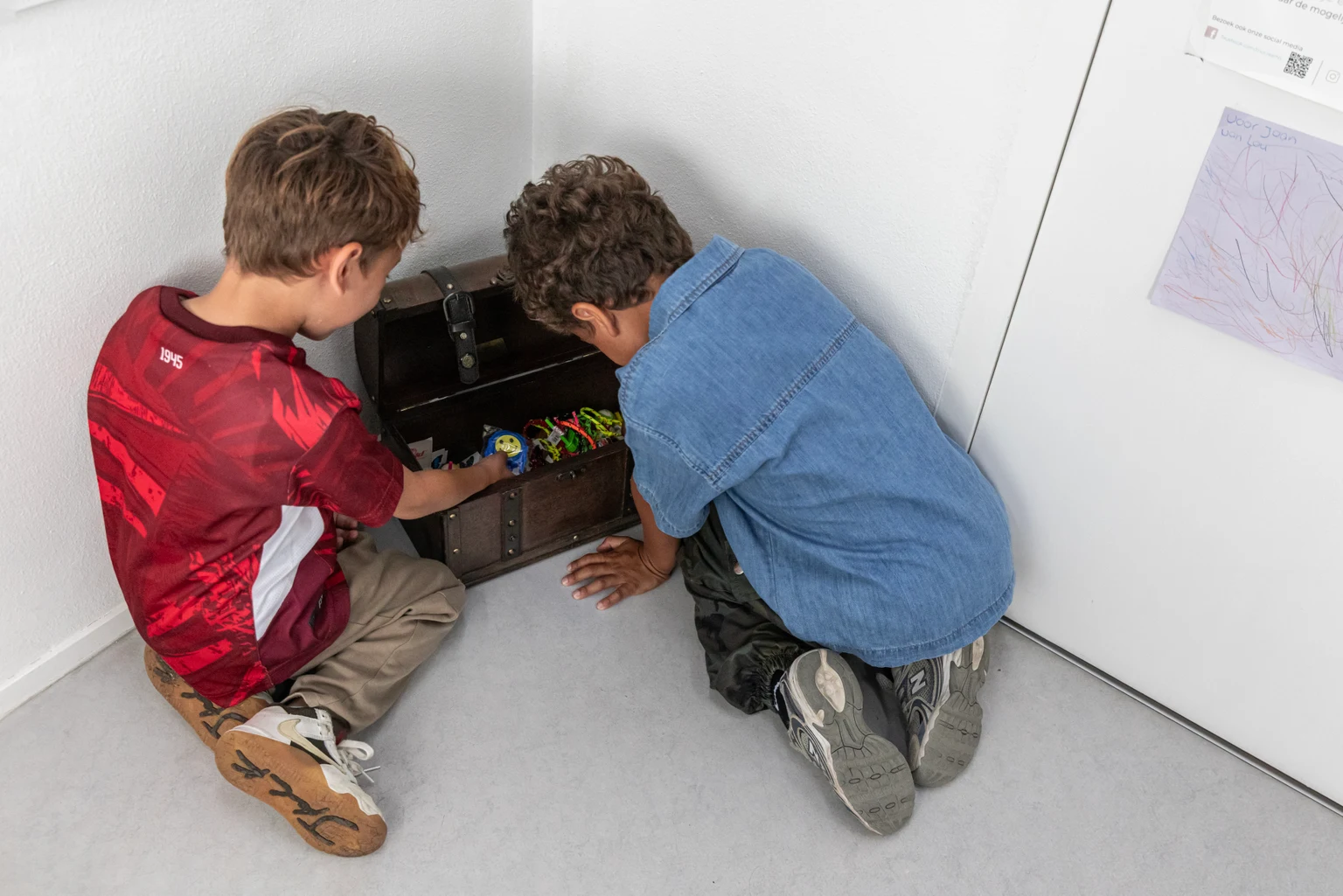
Children's dentistry
Quick answer
What is this treatment?
Children's dentistry is about getting used to dental care, prevention and early detection. We check baby teeth and permanent teeth, give brushing and nutrition advice, and look for cavities, tooth eruption, wear or oral habits. The goal is a safe and predictable experience.
When it may be needed
- Your child has first teeth or has not visited a dentist before.
- Brushing is difficult or you worry about cavities, pain or discolouration.
- Teeth are changing, a tooth breaks or there has been a dental injury.
- You want advice about pacifiers, thumb sucking, diet, fluoride or supervised brushing.
What to expect
- We take time for a calm introduction.
- We check teeth, gums, brushing areas and growth.
- Parents receive practical advice about brushing, sugar and acidic drinks.
- For fear, trauma or larger treatment, we discuss the safest next step.
Preparation and aftercare
- Explain briefly and positively that the dentist counts teeth and helps keep them healthy.
- Bring questions about brushing, diet or tooth eruption.
- Keep helping with brushing as long as your child needs support.
- Call the same day after trauma, swelling, fever or ongoing pain.
Costs and insurance
For treatments where this is legally required or appropriate, you receive a clear cost estimate in advance. Current NZa rates are available on our pricing page.
The final route depends on the examination, materials, any referral and your insurance.
Frequently asked questions
At what age should my child visit the dentist?
Preferably bring your child early, for example from the first teeth. This helps them get used to the practice calmly.
Do baby teeth really matter?
Yes. Baby teeth are important for eating, speaking, space for adult teeth and positive dental experiences.
What if my child is afraid?
Tell us beforehand. We build up calmly, explain step by step and avoid unnecessary pressure.
When should I call about a broken tooth?
Call promptly after trauma, bleeding, pain, a loose tooth or doubt. Fast assessment can matter.